जापान में किराये के ऑफिस
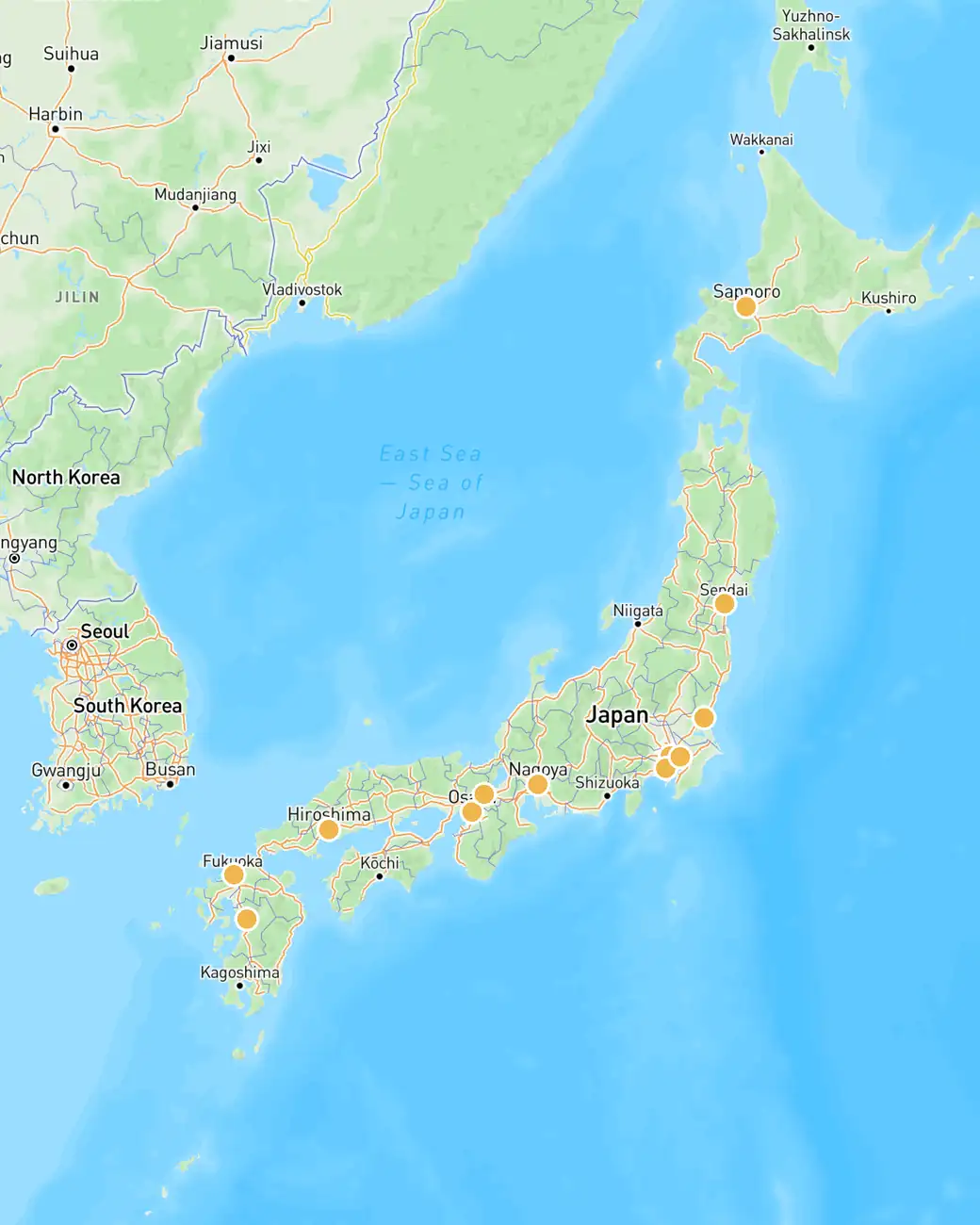
जापान में शहर के अनुसार किराये के ऑफिस
 Tokyo548 ऑफिस
Japan's capital and the world's largest metropolitan economy — office towers from Marunouchi and Ōtemachi to the tech clusters of Shibuya and Roppongi. Tokyoऑफिस देखें →
 Osaka160 ऑफिस
The business capital of Kansai and Japan’s second economy — offices around Umeda, Honmachi and the Midōsuji corridor. Osakaऑफिस देखें →
 Nagoya136 ऑफिस
The heart of Japan’s manufacturing belt and home of the automotive industry — offices cluster around Meieki and Sakae. Nagoyaऑफिस देखें →
 Fukuoka112 ऑफिस
Kyushu’s gateway and Japan’s startup city — the Tenjin Big Bang redevelopment is adding a new generation of office space. Fukuokaऑफिस देखें →
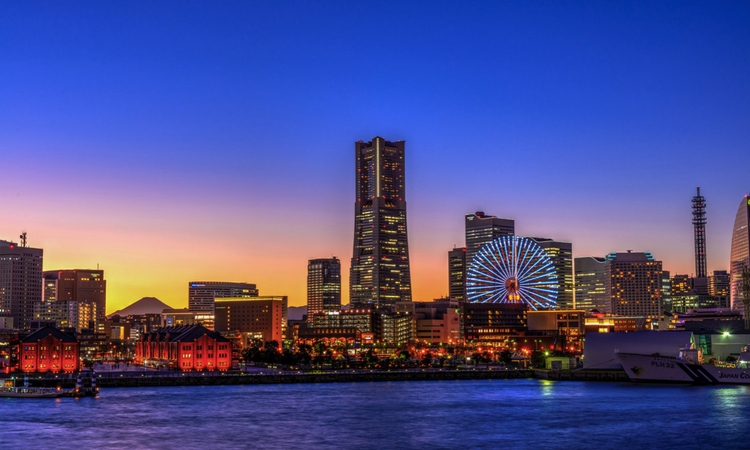 Yokohama104 ऑफिस
Japan’s second-largest city and historic port next door to Tokyo — modern offices in Minato Mirai 21 and around Yokohama Station. Yokohamaऑफिस देखें →
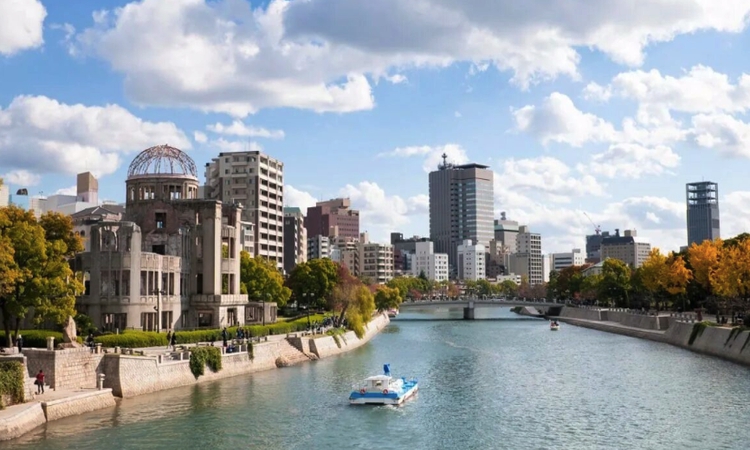 Hiroshima40 ऑफिस
The economic centre of the Chūgoku region, with offices around Kamiya-chō and Hatchōbori. Hiroshimaऑफिस देखें →
 Sendai40 ऑफिस
The largest city of Tōhoku and its administrative hub — offices concentrate around Sendai Station and Aoba-dōri. Sendaiऑफिस देखें →
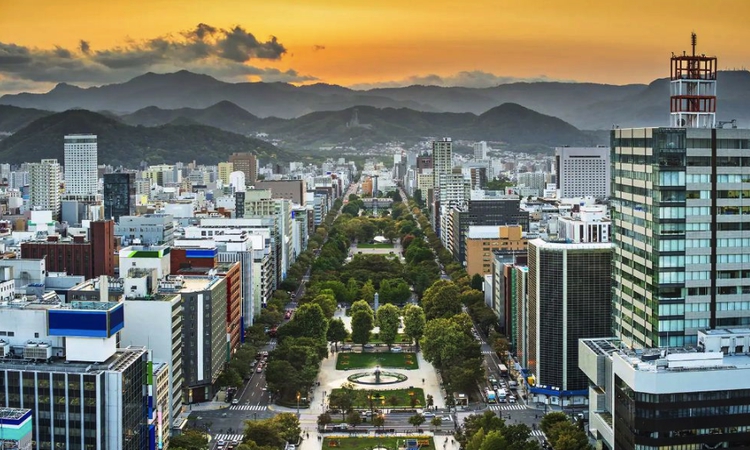 Sapporo32 ऑफिस
Hokkaidō’s capital and a growing IT and back-office location — offices around Sapporo Station and Ōdōri. Sapporoऑफिस देखें →
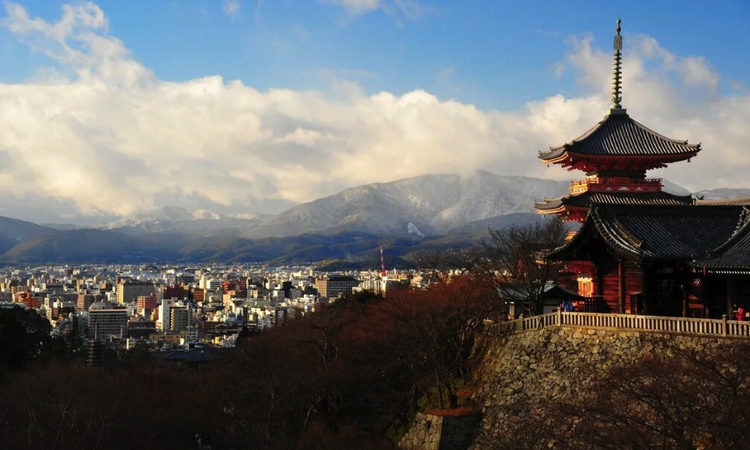 Kyoto24 ऑफिस
The ancient capital with a modern tech side — home of global electronics and gaming companies, offices around Karasuma and Kyoto Station. Kyotoऑफिस देखें →
 Kumamoto24 ऑफिस
A fast-rising Kyushu city, boosted by the semiconductor cluster growing around it. Kumamotoऑफिस देखें →
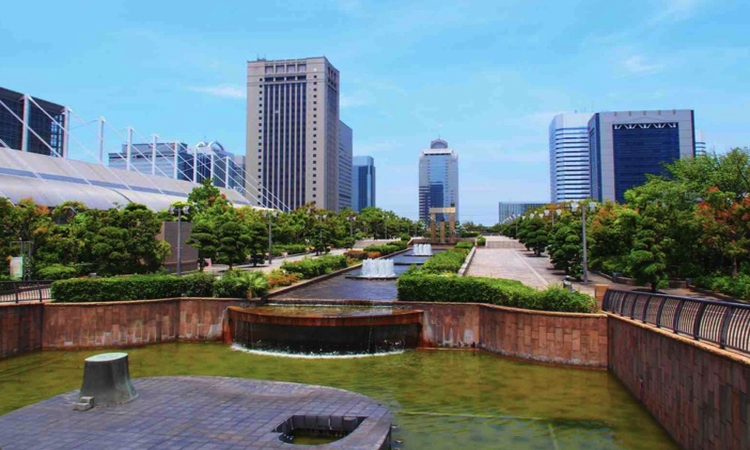 Chiba16 ऑफिस
East of Tokyo, with the Makuhari New City business district and convention centre. Chibaऑफिस देखें →
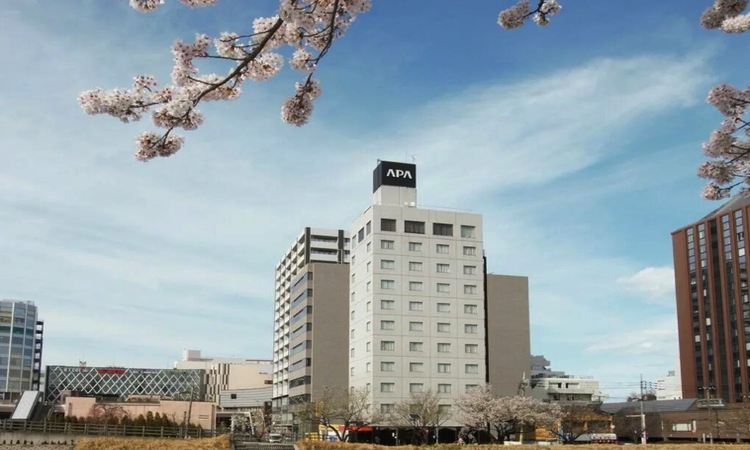 Mito16 ऑफिस
The capital of Ibaraki Prefecture, north-east of the Tokyo metropolitan area. Mitoऑफिस देखें →
गाइड और लेख
 Tokyo office market in 2026: rents, vacancy and where demand is headingGrade-A rents are climbing again while new towers reshape Marunouchi, Toranomon and Shibuya.
 How to rent an office in Japan: a step-by-step guide for foreign companiesGuarantors, security deposits and paperwork — the Japanese leasing process demystified.
 Japanese office leases explained: futsū vs teiki, deposits and restorationThe two contract types, the 6–12 month deposit and the genjō kaifuku restoration rule.
 What office space really costs in Japan: Tokyo vs Osaka vs FukuokaRents per tsubo, deposits and the hidden extras — a realistic budget by city.
 Tsubo, square metres and 'gross' vs 'net': how Japan measures officesOne tsubo is 3.3 m² — but which square metres are you actually paying for?
 Coworking, serviced office or conventional lease in Japan: which fits?Deposits of 12 months vs move-in tomorrow — the real trade-offs in the Japanese market.
 Where to base your office in Tokyo: Marunouchi, Shibuya, Shinjuku and beyondEach Tokyo district has its own industry DNA — match yours before you sign.
 The best Japanese cities to rent an office in, comparedTokyo for reach, Osaka for value, Fukuoka for startups, Sapporo for cost — a city-by-city view.
 Setting up a company in Japan: the registered address and your first officeKK or GK, the tōki address, and why your office choice affects your bank account.
 Virtual offices in Japan: a prestige address without the rentFrom ¥5,000 a month for a Ginza address — what virtual offices can and cannot do.
 Renting an office in Osaka: Umeda, Honmachi and the Midōsuji corridorKansai's business capital offers Tokyo-grade towers at half the rent.
 Fukuoka for startups: offices in Japan's fastest-changing cityStartup visas, the Tenjin Big Bang and rents a third of Tokyo — Fukuoka makes its pitch.
अक्सर पूछे जाने वाले प्रश्न
हम Japan के 12 शहर कवर करते हैं। सबसे ज़्यादा विकल्प Tokyo में हैं (548 लिस्टिंग), फिर Osaka और Nagoya; हर शहर का अपना पेज है जिसमें इलाक़ा, क्षेत्रफल और कीमत के फ़िल्टर हैं।
फ़िलहाल देश भर में 1,252 ऑफिस। मालिकों के अपडेट के साथ यह संख्या बदलती रहती है; हर लिस्टिंग में क्षेत्रफल, मंज़िल और मासिक राशि दी होती है।
बिल्डिंग की श्रेणी, केंद्र और ट्रांसपोर्ट से दूरी, और स्थानीय बाज़ार की स्थिति। अंतर सबसे जल्दी तब दिखता है जब दो शहरों के पेज साथ खोलें।
नहीं। खोज, तुलना और संपर्क किरायेदार के लिए मुफ़्त है — भुगतान मकान मालिक करता है।
किसी भी लिस्टिंग या शहर पेज से अनुरोध भेजिए: उस बिल्डिंग की खाली जगहें और शर्तें, साथ ही उसी शहर के तुलनीय विकल्प आम तौर पर उसी कार्यदिवस में मिल जाते हैं।