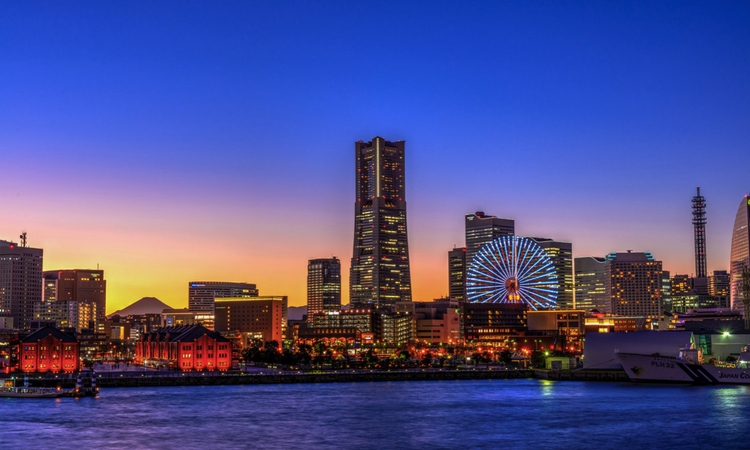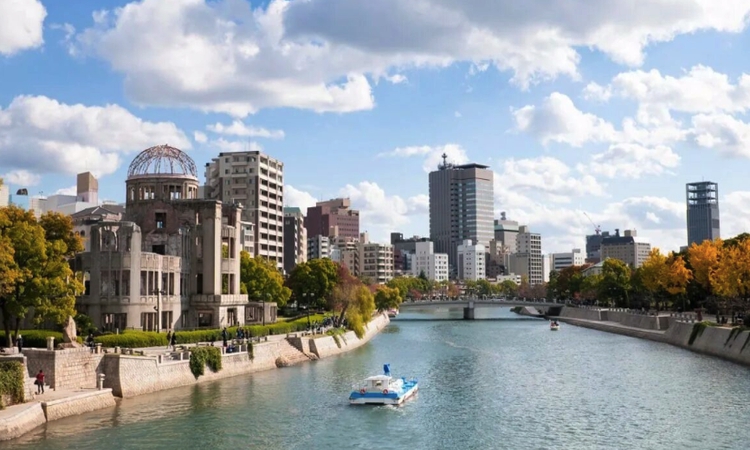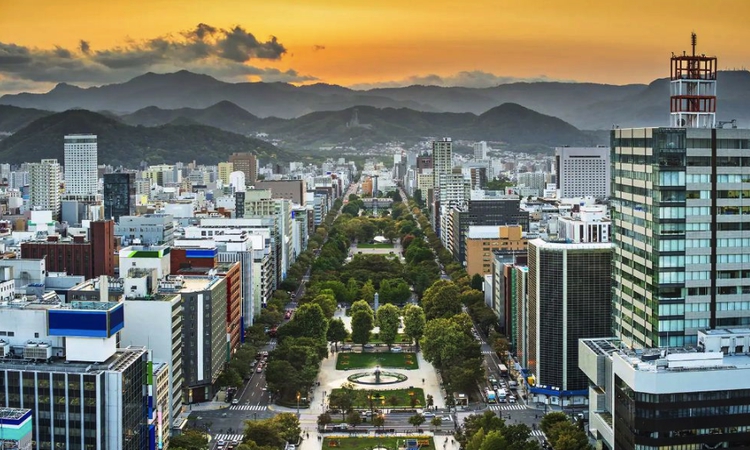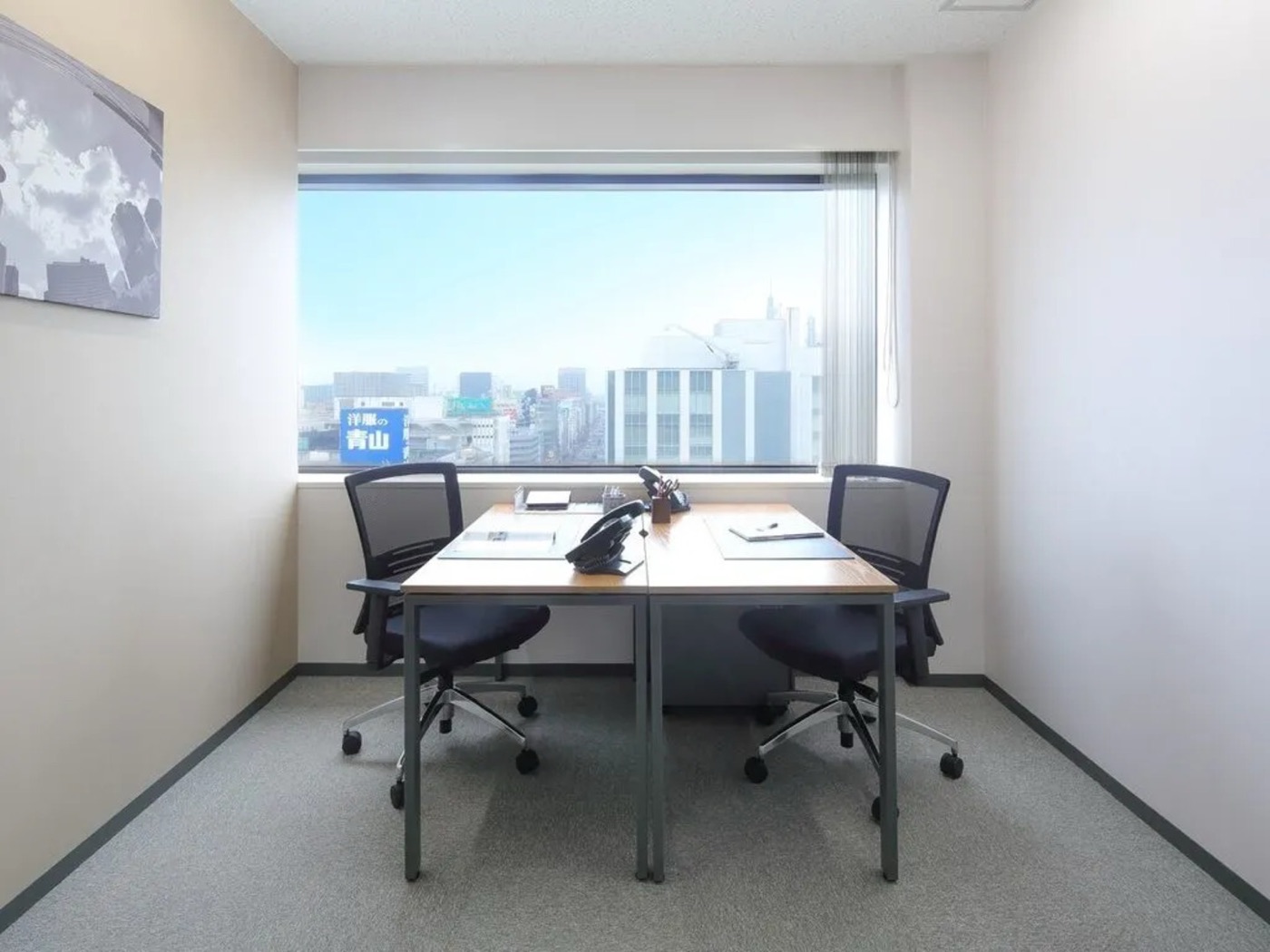
Headline rents tell only part of the story in Japan. Here is how the numbers actually stack up when you budget an office by city.
Rent benchmarks (per tsubo per month)
Japanese rents are quoted per tsubo (3.3 m²) per month, usually including common-area charges. As of 2026, typical Grade-A asking levels are roughly:
- Tokyo (central 5 wards): ¥30,000–55,000 per tsubo — the premium market, with Marunouchi trophy towers beyond ¥60,000.
- Osaka (Umeda, Honmachi): ¥15,000–27,000 — about half of Tokyo for comparable quality, and vacancy stays low.
- Nagoya (Meieki, Sakae): ¥13,000–24,000, boosted by station-front redevelopment.
- Fukuoka (Tenjin, Hakata): ¥13,000–22,000, rising as the Tenjin Big Bang delivers new stock.
- Sapporo / Sendai / Hiroshima: ¥9,000–16,000 — Japan's best value for back offices and development centres.
The extras that move the budget
Add a refundable deposit of 6–12 months' rent, roughly one month in brokerage, fit-out (Japanese offices are handed over as bare shells more often than not), and the end-of-lease restoration bill of another 2–4 months' equivalent. Utilities and after-hours air-conditioning are billed separately in most buildings.
Rule of thumb
Space standards are tighter than Western norms: plan 2–3 tsubo (7–10 m²) per employee in a conventional layout. A 20-person Tokyo office of 50 tsubo at ¥35,000 therefore runs about ¥1.75M per month before extras — while the same team in Fukuoka would pay roughly ¥800K. That arbitrage is precisely why regional cities keep winning development-centre and BPO work.