Every Japanese office listing quotes size in tsubo — an Edo-era unit equal to two tatami mats, or exactly 400/121 ≈ 3.306 m². Rents are quoted per tsubo per month. The arithmetic is easy; the definitions are where budgets go wrong.
Gross vs net
Japanese buildings commonly advertise gross area: your exclusive space plus an allocated share of corridors, lift lobbies and washrooms on multi-tenant floors. The loss factor between gross and usable net area is typically 15–25%. Two buildings quoting the same tsubo count can differ by a full meeting room in real usable terms, so always ask for the net figure or a floor plan with dimensions.
Quick conversions
- 1 tsubo = 3.306 m² = 35.6 ft²
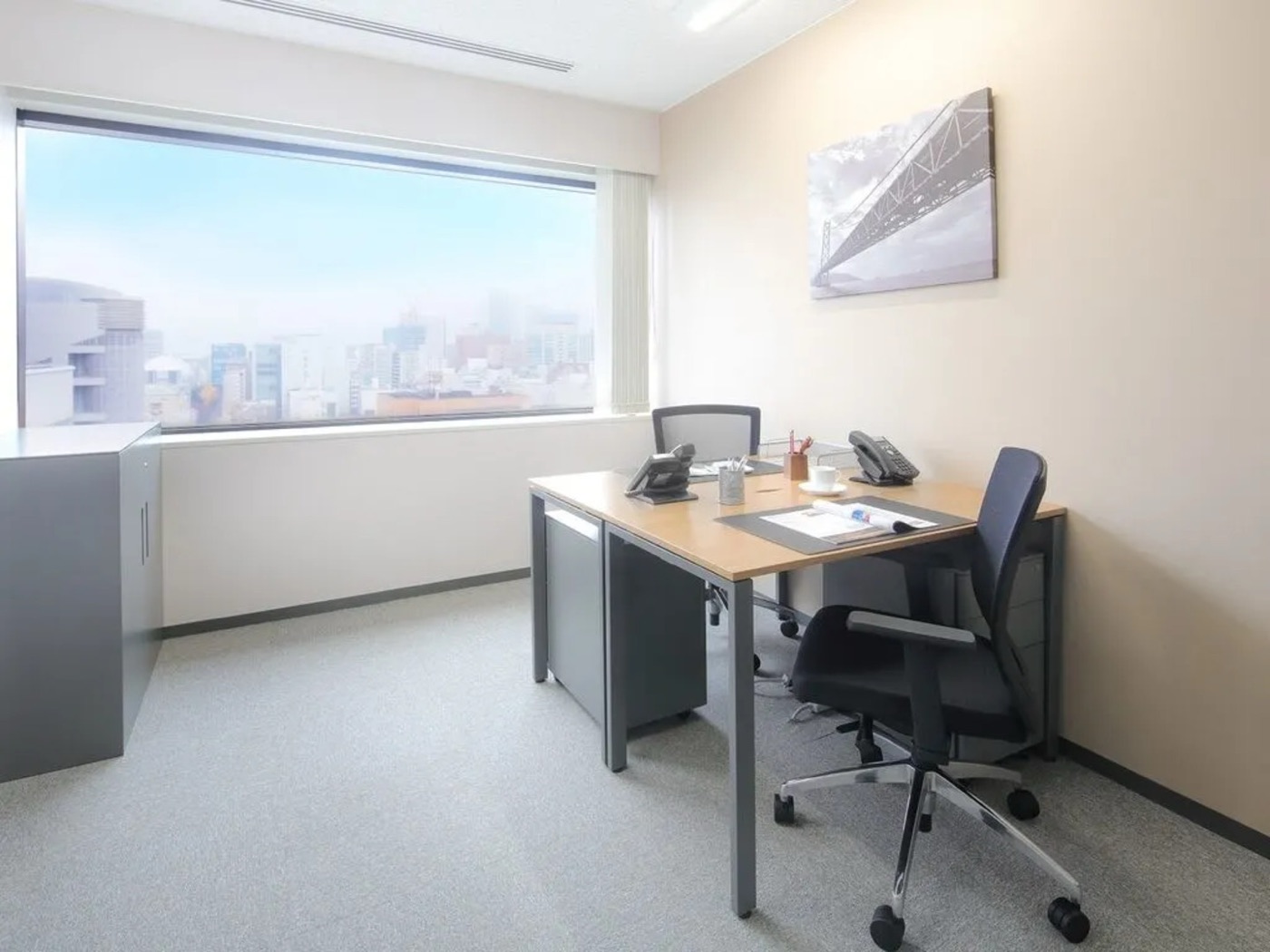
- 10 tsubo ≈ 33 m² — a compact 4–6 person office
- 50 tsubo ≈ 165 m² — comfortable for ~20 staff
- 100 tsubo ≈ 330 m² — 40–50 staff with meeting rooms
Per-person planning
Japanese space standards run tighter than Western ones: 2–3 tsubo per person is the conventional norm, and modern flexible layouts squeeze below 2 tsubo with hot-desking. When you compare a serviced office priced per desk with a conventional lease priced per tsubo, convert both to cost per person per month — that comparison, not the headline rate, tells you which is cheaper.
On RentOfficeToday all Japanese listings show both m² and the original tsubo figures, so you can compare like for like across buildings and cities.